🔔 Evidence-Based Tinnitus Care • At Home
Ringing, buzzing, hissing – tinnitus is real, and it’s manageable. Dr. Haliee Patel, Au.D., provides comprehensive in-home tinnitus evaluations and personalized treatment plans across Broomfield, Boulder, Louisville, Lafayette, Erie, Niwot, Westminster & Brighton, CO.

~50 million Americans
Experience tinnitus - you're not alone
Understanding Tinnitus
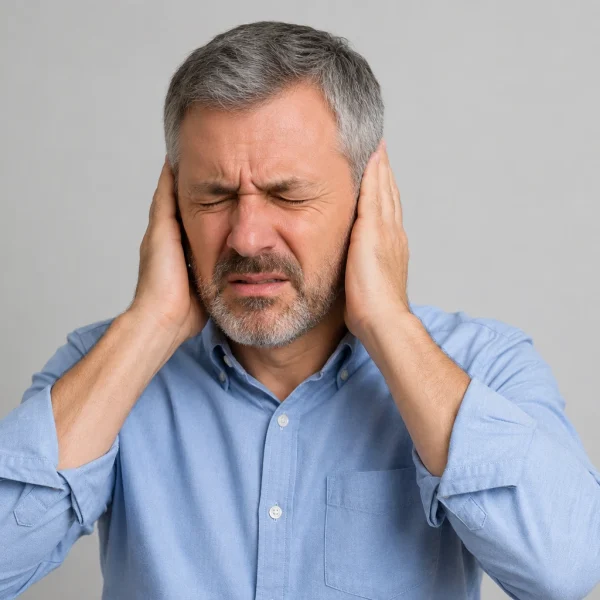
Tinnitus is the perception of sound when no external sound is present – most often described as ringing, buzzing, hissing, clicking, or whooshing. It can be in one ear, both ears, or seem to come from inside the head.
Tinnitus is a symptom, not a disease. It’s most often related to hearing loss, noise exposure, aging, or certain medications – but it can also point to other underlying conditions that benefit from evaluation. The good news: while there’s no universal cure for chronic tinnitus, most patients find significant relief through evidence-based management.
Comet Audiology offers comprehensive tinnitus evaluation and personalized treatment planning – performed in the comfort of your home, where the noise of the outside world doesn’t interfere with the conversation.
Tinnitus is highly individual – patients describe many different sounds. Identifying yours helps us understand the underlying cause.
The most common type – a high-pitched, continuous tone.
A continuous “shhh” – like steam, white noise, or a quiet TV channel.
Rhythmic clicks or pulses – sometimes related to muscle spasms or TMJ.
In some cases, no specific cause is identified. Effective management is still possible – the goal becomes habituation, not cause removal.
There’s no single tinnitus treatment that works for everyone. The most effective plans are multi-modal – combining several approaches based on your specific tinnitus, hearing, and lifestyle.
For patients with hearing loss and tinnitus (about 80% of cases), properly fit hearing aids are often the single most effective treatment. They amplify ambient sounds you’ve been missing – which masks tinnitus naturally – and most modern hearing aids include built-in tinnitus sound therapy programs.
Low-level neutral sounds – white noise, pink noise, fractal tones, or nature sounds – give your brain something to focus on besides the tinnitus signal. Over time, this can reduce how prominent the tinnitus feels in conscious attention.
An evidence-based program combining directive counseling (understanding tinnitus and reframing your reaction to it) with structured sound therapy. The goal is habituation – your brain learning to filter the tinnitus signal out of conscious attention, the way it filters out clothing on your skin.
Understanding what tinnitus is – and isn’t – significantly reduces its emotional impact. We discuss sleep hygiene, stress management, caffeine and alcohol, identifying personal triggers, and protecting against further hearing damage.
Once tinnitus is present, further noise exposure can make it worse. Custom hearing protection (musician plugs, shooting plugs, occupational protection) prevents progression and protects your remaining hearing. We integrate protection planning into every tinnitus management plan.
Hyperacusis – sound sensitivity where everyday sounds feel uncomfortably loud – often coexists with tinnitus. Treatment is gradual sound desensitization, not avoidance. Avoiding sounds actually makes hyperacusis worse over time.
1
2
3
We measure your tinnitus pitch, loudness, and minimum masking level – important for treatment planning.
4
5
Tinnitus that appears suddenly, especially with hearing loss, can indicate sudden sensorineural hearing loss – a medical urgency.
If tinnitus is affecting your sleep, work, mood, or relationships, please reach out – comprehensive management can help.
Tinnitus appointments benefit uniquely from a calm, familiar environment.
Stress amplifies tinnitus perception. Patients evaluated in their own homes are more relaxed, producing more accurate measurements.
Tinnitus appointments aren’t rushed. We make time for your full history – emotional, physical, and lifestyle context all matter.
You’ll never hear “we can cure your tinnitus.” You’ll hear honest, evidence-based options – and a realistic path to relief.
Tinnitus is the perception of sound - most commonly ringing, buzzing, hissing, clicking, or whooshing - without an external sound source. The sound can be in one ear, both ears, or seem to come from inside the head. Tinnitus is a symptom, not a disease itself, and is most often associated with hearing loss, noise exposure, aging, or certain medications. It affects approximately 50 million Americans.
There is currently no universal cure for chronic tinnitus, but it can be effectively managed in most cases. Many patients experience significant relief through a combination of treatments - including hearing aids with tinnitus programs, sound therapy, Tinnitus Retraining Therapy (TRT), and lifestyle counseling. Be cautious of any provider who promises a guaranteed cure. Honest, evidence-based management is what works.
The most common causes of tinnitus are hearing loss (age-related or noise-induced), exposure to loud sounds, head or neck injuries, certain medications (called ototoxic drugs), high blood pressure, TMJ disorders, ear infections, and earwax impaction. Stress and lack of sleep don't cause tinnitus directly but often make it more noticeable. A thorough evaluation by an audiologist helps identify likely contributors.
Tinnitus often seems louder at night because background noise drops to almost zero, leaving your brain with no other sounds to focus on. The tinnitus volume hasn't actually changed - your perception has. This is why bedside sound machines, fans, or hearing aid sleep programs are often recommended for tinnitus sufferers - they give the brain something to focus on besides the tinnitus.
Yes - for many tinnitus patients with hearing loss, properly fitted hearing aids are the single most effective treatment. They work two ways: by amplifying the environmental sounds you've been missing (which helps mask tinnitus), and by running built-in tinnitus sound therapy programs available in most modern hearing aids. Comet Audiology programs hearing aids specifically for tinnitus management when appropriate.
Tinnitus Retraining Therapy is an evidence-based approach that combines two elements: directive counseling (helping you understand tinnitus and reframe your reaction to it) and sound therapy (using low-level neutral sound to retrain how your brain processes the tinnitus signal). The goal is habituation - your brain learning to filter the tinnitus out of conscious attention. TRT typically takes 12-18 months for full effect.
Timelines vary by treatment. Some patients notice immediate relief from hearing aid amplification on the first day of fitting. Sound therapy often produces noticeable improvement within 4-12 weeks. Tinnitus Retraining Therapy typically takes 12-18 months for full habituation. The most important factor is consistency - sticking with the treatment plan is what produces the best long-term results.
Stress doesn't typically cause tinnitus, but it strongly amplifies the perception of existing tinnitus. Stress activates the fight-or-flight system, which heightens auditory sensitivity and increases focus on the tinnitus signal. Sleep deprivation has a similar effect. This is why management plans often include stress reduction, sleep hygiene, and sometimes referral to a therapist trained in tinnitus-specific cognitive behavioral therapy (CBT).
See a doctor or audiologist promptly if your tinnitus is sudden in onset, in only one ear, pulsatile (sounds like a heartbeat), accompanied by hearing loss, dizziness, ear pain, or drainage, or if it's significantly affecting your sleep or quality of life. While most tinnitus is benign, certain types can indicate underlying medical conditions that need evaluation. A thorough audiology workup is the right first step.
Some tinnitus is temporary - for example, the ringing after a loud concert often resolves within hours or days. Tinnitus that has lasted more than 6 months is generally considered chronic and may not fully go away on its own. The good news: even chronic tinnitus can be effectively managed in most cases, often to the point where it no longer interferes with daily life.
Hyperacusis is heightened sensitivity to everyday sounds - sounds that don't bother most people (running water, dishes clinking, traffic) seem uncomfortably loud or even painful. It often coexists with tinnitus but is a different condition. Hyperacusis is typically managed with gradual sound desensitization therapy. We provide hyperacusis evaluations as part of our tinnitus management services.
We provide expert, in-home hearing tests and audiology services across a wide range of locations for your convenience. Our licensed providers visit clients in Boulder, Broomfield, Louisville, Erie, Lafayette, Niwot, Westminster, and Brighton, CO. By bringing high-quality care directly to your doorstep, we ensure a comfortable and professional experience without the need for a clinic visit.
Copyright @ 2026 Comet Audiology. All Rights Reserved.